
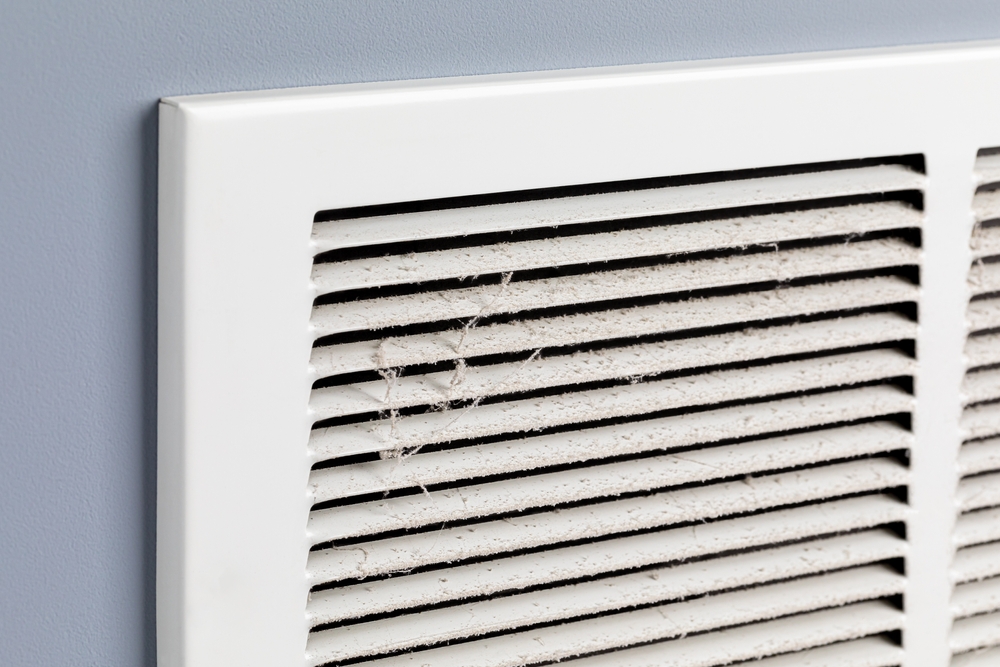
Is Your Tampa Home’s Air Duct System Wasting Energy? Signs It’s Time for Inspection & Repair
When summer heat and humidity settle over Tampa Bay, your air conditioner may spend much of the day trying to keep your home comfortable. If cooled air is escaping through damaged, disconnected, or poorly sealed ductwork before it reaches your rooms, part of that cooling effort may be going to waste.
The problem is not always obvious. Your AC can still run, vents can still blow air, and the thermostat can still reach its setting while hidden duct problems reduce comfort and efficiency.
Quick answer: A Tampa home may need an air duct inspection if energy use has increased unexpectedly, rooms cool unevenly, airflow feels weak, the AC runs longer than usual, or ductwork in an attic or other unconditioned space appears damaged. An HVAC professional can inspect accessible ductwork, identify leaks or disconnected sections, evaluate airflow concerns, and determine whether sealing, repair, or another HVAC issue should be addressed.
What local homeowners should know
Leaky ducts can allow conditioned air to escape before it reaches the rooms you are trying to cool.
Tampa Electric identifies duct leakage as an energy-efficiency concern and advises homeowners to consider duct sealing and insulation.
Ductwork routed through hot attics can be especially important to evaluate during long periods of Florida heat.
Uneven temperatures do not automatically mean the air conditioner itself needs replacement.
A professional inspection can help separate duct problems from issues involving the equipment, insulation, airflow, filters, or other parts of the home.
Why Air Duct Efficiency Matters in Tampa
Air duct efficiency matters in Tampa because the region’s long cooling season and high humidity can keep air-conditioning systems working hard, making wasted conditioned air especially undesirable. A leak that might seem minor can matter more when cooling equipment operates frequently for months at a time.
Homes throughout Hillsborough County include everything from older houses near Seminole Heights and South Tampa to newer construction around New Tampa and nearby communities. Duct layouts, materials, accessibility, attic conditions, and previous repairs can vary considerably from one property to another.
Tampa Electric notes that high humidity causes cooling systems to run more often and advises customers that leaky ducts can account for nearly 20 percent of an air conditioner’s energy use. The utility recommends sealing and insulating ductwork as one way to improve cooling efficiency.
At Kenny’s Air Conditioning & Heating Services, Inc., we understand that a duct problem should be diagnosed rather than assumed. Our goal is to determine where the comfort or efficiency issue is actually coming from before recommending the appropriate service.
What Local Energy Guidance Says About Leaky Ductwork
Local energy guidance specifically identifies leaky ductwork as a potential source of wasted cooling energy in Tampa-area homes. Tampa Electric offers ductwork inspections through its own efficiency programs and advises customers that sealing leaks can reduce wasted conditioned air.
That guidance is particularly relevant in West Central Florida because air conditioning is such a large part of warm-weather household energy use. A homeowner noticing a higher bill should not automatically assume that duct leakage is the cause, but the duct system is one reasonable place to investigate alongside the AC equipment, thermostat settings, insulation, windows, filters, and changes in household usage.
How Leaky Ducts Can Affect Your Home
Leaky or damaged air ducts can affect your home by reducing delivered airflow, creating uneven temperatures, increasing cooling demand, and allowing conditioned air to escape into spaces where it provides little benefit.
Consider ductwork running across an attic during a hot Hillsborough County afternoon. The AC system may be producing cold air correctly, but a separated joint or damaged section can release some of that air before it reaches a bedroom or living area.
The thermostat may then continue calling for cooling because the occupied rooms are not reaching the desired temperature as efficiently. That does not prove a duct leak is present, but it is one reason persistent comfort problems deserve inspection rather than repeated thermostat adjustments.
What Are the Warning Signs of Air Duct Problems?
Common warning signs of air duct problems include uneven temperatures, weak airflow, unusually long AC cycles, visible duct damage, unexplained energy-use changes, and rooms that are consistently difficult to cool.
Watch for these specific symptoms:
One bedroom remains noticeably warmer than nearby rooms even with the vents open.
Airflow from certain supply registers feels much weaker than airflow elsewhere in the house.
Your cooling system seems to run longer without a clear change in thermostat settings or weather.
You can see torn, crushed, sagging, separated, or poorly supported accessible ductwork.
A formerly comfortable part of the home develops a persistent hot spot.
You hear unusual whistling or air movement near accessible duct connections.
Your household energy use rises without an obvious change in occupancy or cooling habits.
Renovation, attic work, or other construction has occurred near the duct system.
Any one symptom can have several possible causes. A clogged filter, equipment problem, closed damper, insulation issue, or improperly sized system can sometimes create similar effects.
When Should You Call an HVAC Professional?
You should call an HVAC professional when airflow or temperature problems persist after basic checks, when accessible ductwork appears damaged, or when you suspect cooled air is being lost in an attic or other unconditioned space.
Homeowners can safely check whether supply registers are open, replace or inspect the air filter according to the system’s requirements, and look at exposed ductwork without disturbing it.
DIY work should stop when diagnosis requires entering difficult attic areas, opening the HVAC system, measuring system performance, repairing concealed ducts, or determining whether the real problem involves ductwork or the cooling equipment itself.
Tampa-area attics can become extremely hot, which is another reason extensive inspection and repair work should be approached carefully.
What Commonly Causes Duct Problems in Tampa Homes?
Common duct problems in Tampa homes can result from age, failed connections, physical damage, poor support, previous construction work, insulation deterioration, or installation issues.
Several conditions deserve particular attention locally:
1. Connections that loosen or fail over time.
Joints and connections can deteriorate, allowing conditioned air to escape.
2. Damage in attic spaces.
Ducts routed above the ceiling can be affected by accidental contact during roofing, electrical, insulation, pest-control, or other attic work.
3. Crushed or restricted flexible ductwork.
A damaged or compressed section can reduce airflow even if there is no major leak.
4. Poorly supported duct runs.
Excessive sagging can interfere with airflow and place stress on connections.
5. Aging materials.
Older homes in established Tampa Bay neighborhoods may have duct systems that have been repaired, altered, or partially replaced over the years.
6. Previous remodeling.
Room additions and interior renovations sometimes change the cooling demands or duct configuration of a home.
How Can You Help Prevent Air Duct Energy Loss?
You can help prevent air duct energy loss by maintaining the HVAC system, watching for comfort changes, protecting accessible ductwork from damage, and having suspected leaks evaluated before they become larger problems.
A useful local maintenance routine includes changing or checking filters as recommended, keeping supply and return openings unobstructed, paying attention to room-to-room temperature differences, and scheduling HVAC maintenance before periods of heavy cooling demand.
Spring can be a practical time for inspection in the Tampa Bay area because it gives homeowners an opportunity to identify cooling problems before the hottest part of the year.
Avoid sealing HVAC ductwork with improvised household materials without first understanding the condition and type of duct system. A visible gap may be only one part of a larger airflow problem.
What Results Can You Expect From Duct Inspection and Repair?
A proper duct inspection can identify whether accessible leaks, damaged sections, poor connections, or airflow restrictions are contributing to comfort or efficiency problems.
If defects are found, the appropriate solution may involve sealing connections, repairing or replacing damaged sections, correcting support problems, or addressing related HVAC concerns.
Homeowners should expect realistic improvements based on what is actually wrong with the system. Repairing a significant duct leak may improve delivered airflow and reduce wasted cooling, but duct repair cannot correct every high energy bill or comfort problem. Equipment condition, home insulation, thermostat use, solar heat gain, and other factors also influence performance.
What Mistakes Should Tampa Homeowners Avoid?
Tampa homeowners should avoid assuming every high electric bill or warm room means the AC unit needs replacement, because ductwork and other parts of the home can produce similar symptoms.
Mistake: Lowering the thermostat repeatedly.
Consequence: The cooling system may simply run longer while the underlying airflow problem remains.
Better approach: Investigate persistent comfort problems instead of relying only on a colder setting.
Mistake: Closing several vents to force air elsewhere.
Consequence: Changing airflow without understanding the system can create unintended performance issues.
Better approach: Have significant room-to-room airflow differences diagnosed.
Mistake: Assuming visible duct tape is a permanent professional repair.
Consequence: An improvised patch may not address the actual leak or underlying damage.
Better approach: Use materials and repair methods appropriate for HVAC duct systems.
Mistake: Replacing equipment before examining the whole system.
Consequence: New equipment may still struggle with comfort if the distribution system has unresolved problems.
Better approach: Evaluate the AC and duct system together when symptoms point to both.
What Is a Common Local Ductwork Scenario?
A common Tampa-area scenario is a home where the AC appears to operate normally but one or two rooms gradually become harder to cool.
The homeowner may lower the thermostat, replace the filter, and keep the ceiling fan running, yet the problem continues. An inspection may reveal that the issue is not simply the thermostat setting. Possible causes could include a damaged duct connection, restricted duct section, insulation issue, airflow imbalance, or an equipment problem.
This is not a specific customer case study. It illustrates why diagnosis matters before deciding which repair is needed.
What Services Can Address Duct and Cooling Problems?
Duct inspection, duct repair, HVAC maintenance, and cooling-system diagnosis can help determine why conditioned air is not reaching your Tampa home as effectively as expected.
Depending on what an inspection reveals, we can help determine whether the next step involves repairing ductwork, addressing airflow concerns, servicing the air-conditioning system, or discussing another appropriate HVAC solution.
Should You Inspect, Repair, or Replace Your Ductwork?
Inspection should generally come first because the condition, location, accessibility, and extent of the duct problem determine whether a targeted repair or broader corrective work makes sense.
A small accessible problem may call for a focused repair. Multiple deteriorated or damaged sections may require a more extensive solution. And if the ductwork is functioning correctly, the investigation may need to shift toward the AC equipment or another part of the home.
Professional diagnosis can help homeowners avoid spending money on the wrong fix.
What Areas Do We Serve Around Tampa?
We serve homeowners seeking HVAC help in the Tampa area and surrounding communities within our established service territory.
Local customers may come from communities throughout the Tampa Bay region, including areas of Hillsborough County and nearby communities. For a specific address outside the immediate city area, contact us to confirm current service availability.
What Can Happen If You Ignore a Duct Problem?
Ignoring a genuine duct problem can allow wasted cooling, uneven comfort, and unnecessary HVAC runtime to continue, especially through long stretches of hot and humid weather.
A loose connection or damaged duct section does not necessarily mean an emergency, but waiting through another heavy cooling season can leave the household paying to condition air that is not fully reaching occupied rooms.
The sooner the cause is identified, the sooner you can make an informed decision about whether repair is worthwhile.
Frequently Asked Questions About Air Ducts in Tampa
Can leaky ducts increase cooling costs in Tampa?
Yes, leaky ducts can contribute to higher cooling energy use when conditioned air escapes before reaching the living space. Tampa Electric specifically identifies duct leakage as an efficiency issue and says leaky ducts can account for nearly 20 percent of an air conditioner’s energy use. Other household and HVAC factors can also affect bills.
Why is one room in my Tampa home hotter than the others?
A hotter room can result from duct leakage, restricted airflow, insulation problems, solar heat gain, a closed damper, or another HVAC issue. Because several conditions can produce the same symptom, checking only the thermostat usually will not identify the cause. Persistent room-to-room temperature differences are worth professionally evaluating.
Are attic ducts more vulnerable in Florida homes?
Attic ductwork deserves close attention because it often runs through an unconditioned space where lost cooled air provides little benefit to the living area. Attics can also make ducts harder for homeowners to inspect safely. Damage, loose connections, restricted sections, or insulation issues should be evaluated when comfort problems develop.
How often should Tampa homeowners have ductwork inspected?
There is no single inspection interval that fits every home, so ductwork should be evaluated when symptoms, visible damage, remodeling, or significant HVAC changes give you a reason to suspect a problem. An HVAC professional can also examine accessible duct components when investigating recurring airflow or comfort complaints.
Does a high Tampa Electric bill mean my ducts are leaking?
No, a high electric bill alone does not prove that your ducts are leaking. Hot weather, thermostat settings, AC condition, insulation, occupancy changes, appliances, and other factors can increase energy use. Duct leakage is one possibility, particularly when higher consumption appears alongside weak airflow, uneven cooling, or unusually long cooling cycles.
Can I seal my own air ducts?
Homeowners can visually monitor accessible ducts, but significant sealing and repair work is better handled after the system has been properly evaluated. The correct repair depends on the duct material, location, type of failure, and condition of the surrounding system. Difficult Tampa-area attic access can also make DIY work unsafe.
Will duct repair make my Tampa home more comfortable?
Duct repair can improve comfort when leakage, disconnection, damage, or restricted airflow is actually responsible for the problem. It will not solve unrelated issues such as inadequate insulation, equipment defects, excessive heat gain, or an improperly designed system. Inspection helps determine whether duct repair is likely to address the symptoms.
Should ducts be checked before replacing an air conditioner?
Yes, evaluating the duct system can be worthwhile when replacing an AC, particularly if the home already has weak airflow or uneven temperatures. New cooling equipment still depends on the distribution system to move conditioned air throughout the house. Identifying significant duct issues can help create a more complete HVAC plan.
Keep the Cool Air Where Your Tampa Home Needs It
Finding and correcting genuine duct problems can help your HVAC system deliver conditioned air where it belongs while giving you a clearer picture of your home’s cooling performance. In Tampa Bay’s long cooling season, understanding the entire system can be more useful than guessing which component is responsible.
Improve Comfort and Reduce Wasted Cooling
We can inspect your HVAC and duct concerns, explain what we find, and help you understand the appropriate next step for your home.
Categorised in: Ductwork