
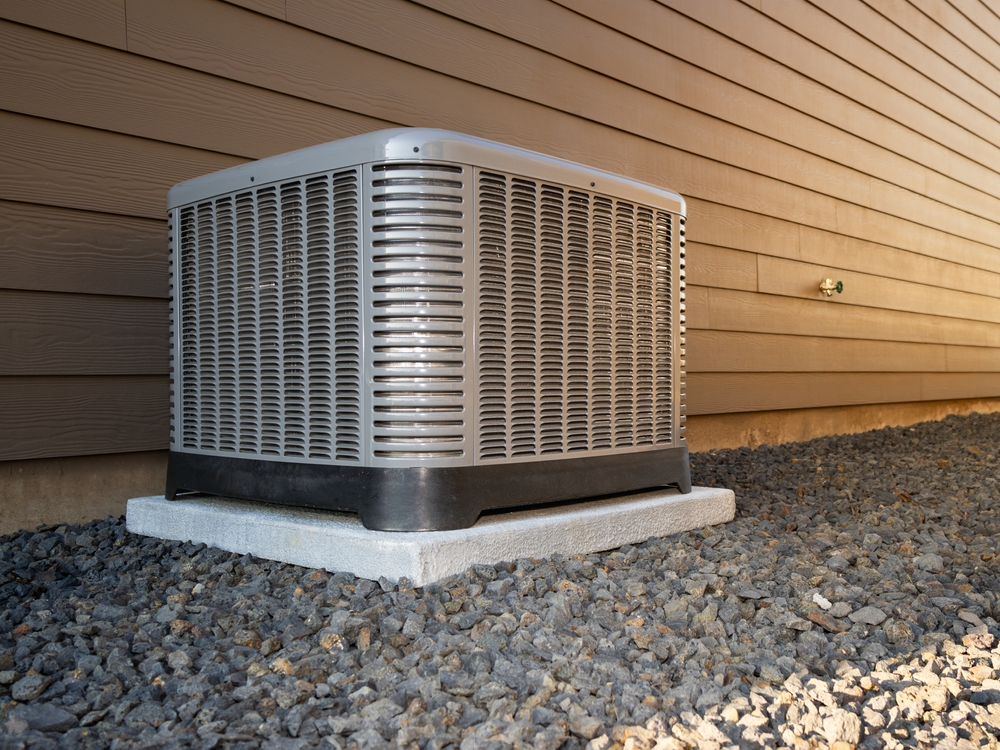
Beat Tampa’s Heat Waves: When Should You Replace vs. Repair an Aging AC Unit?
A struggling air conditioner is never convenient, but during a Tampa heat wave, a weak system can quickly turn into a serious comfort problem. Long cooling cycles, high humidity, afternoon heat, and months of heavy AC use can expose problems that were easy to overlook during milder weather.
Quick answer: Repairing an aging AC unit usually makes sense when the problem is limited, the system still cools the home reliably, and major components remain in good condition. Replacement becomes more practical when breakdowns are recurring, comfort is declining, energy use keeps climbing, or a major component fails on an older system. The best decision should consider the unit’s condition, repair history, efficiency, refrigerant type, and ability to handle local summer demand.
What local homeowners should know
An older air conditioner that needs frequent repairs may cost more to keep running than its remaining useful service justifies.
Tampa’s prolonged heat and humidity can keep cooling equipment working hard for much of the year.
Neighborhoods from Westchase and Carrollwood to South Tampa contain homes of different ages, insulation levels, duct designs, and cooling needs.
A single inexpensive repair does not automatically mean an older system needs replacement.
Professional diagnosis is especially valuable before approving a major compressor, coil, or refrigerant-related repair.
Why Does the Repair-or-Replace Decision Matter So Much in Tampa?
The repair-or-replace decision matters in Tampa because an air conditioner here often carries a heavier annual workload than equipment in milder climates, making reliability, moisture control, and cooling capacity especially important. A system that barely keeps up during ordinary weather may struggle significantly when temperatures and humidity rise together.
The National Weather Service Tampa Bay issues a Heat Advisory when forecast daytime heat index values reach 108 to 112°F, with Excessive Heat Warnings beginning at 113°F. Recent advisories have included both coastal and inland Hillsborough County.
That kind of weather places extra demand on cooling systems already running for long periods. Homes in Brandon, Temple Terrace, Westchase, and other nearby communities can also differ substantially in attic insulation, sun exposure, windows, ductwork, and construction style.
Kenny’s Air Conditioning & Heating Services, Inc. understands that homeowners are not simply deciding whether a machine can be repaired. We help evaluate whether repairing it still makes practical sense for the home and the demands placed on the system.
What Does Local Climate Data Tell Us About Aging AC Systems?
Local heat guidance shows why dependable cooling is especially important during the Tampa Bay area’s hottest periods, when high temperatures and humidity can produce dangerous heat index conditions and keep residential AC systems running for extended periods. That sustained operation can reveal weaknesses in aging components.
The National Weather Service Tampa Bay specifically monitors west-central Florida for heat hazards. During these stretches, an older unit may experience longer run times, difficulty reaching the thermostat setting, or reduced moisture removal.
Tampa Electric also offers a heating and cooling program for qualifying residential customers who replace older, inefficient ducted systems with equipment meeting specified efficiency requirements. Program eligibility and requirements can change, so homeowners considering replacement should verify current details directly with the utility.
How Can an Aging AC Affect Local Homeowners?
An aging AC can affect local homeowners through uneven temperatures, poor humidity control, rising operating costs, repeated repair interruptions, and reduced comfort during the hottest part of the day. In Tampa, those problems often become much more noticeable because cooling is not limited to a short summer season.
A system losing performance may cool bedrooms differently from living areas, run almost continuously during the afternoon, or leave the house feeling clammy even when the thermostat shows a reasonable temperature.
For families in older homes, the AC may also be compensating for leaky ducts, insufficient attic insulation, aging windows, or additions that changed the original cooling load. Replacing equipment without identifying those underlying conditions can leave some comfort problems unresolved.
What Warning Signs Suggest It May Be Time to Replace Your AC?
Replacement deserves serious consideration when an older air conditioner develops recurring problems, requires a major repair, or can no longer maintain comfortable temperatures and humidity despite proper maintenance. One warning sign alone may justify inspection, while several together often point toward a system nearing the end of practical service.
Watch for:
Repairs becoming more frequent from one cooling season to the next.
The AC running for unusually long periods without reaching the thermostat setting.
Some rooms consistently staying warmer than others.
Indoor humidity becoming harder to control.
New or worsening rattling, grinding, buzzing, or other unusual sounds.
A major component such as the compressor or evaporator coil needing replacement.
Electricity consumption increasing without an obvious change in household habits.
The system using an older refrigerant that makes certain repairs more complicated or costly.
When Should You Call an HVAC Professional?
Call an HVAC professional when your system stops cooling normally, repeatedly trips breakers, leaks water, makes abnormal noises, short-cycles, freezes up, or needs the same type of repair more than once. Tampa homeowners should also schedule an evaluation before peak heat if an older unit already appears to be losing capacity.
Homeowners can safely check thermostat settings, replace an accessible dirty air filter, clear obvious debris away from the outdoor condenser, and make sure supply registers are open.
Electrical repairs, refrigerant work, internal component testing, and compressor or capacitor diagnosis should be left to trained HVAC professionals. Turning a malfunctioning system on and off repeatedly can sometimes worsen an existing problem.
What Common Local Conditions Wear Down AC Systems?
Heat, humidity, long operating seasons, airborne debris, drainage demands, and electrical stress are common conditions that can contribute to AC wear across the Tampa Bay region. These factors do not mean every system will fail early, but they can make maintenance and accurate diagnosis more important.
High outdoor temperatures can increase run time. Humidity adds moisture-removal demand. Outdoor units can collect grass clippings, leaves, and dirt that reduce airflow if coils become obstructed.
Summer thunderstorms can also bring electrical disturbances, while clogged condensate drains may become more noticeable during humid periods when the system is removing substantial moisture from indoor air.
Homes closer to Tampa Bay or other coastal environments may face additional exposure to humid, salty air, while inland Hillsborough County properties may experience different debris and sun-exposure conditions.
How Can You Help an Older AC Last Longer?
You can help an older AC last longer by keeping airflow unrestricted, scheduling routine professional maintenance, addressing drainage problems early, and having declining performance investigated before the hottest weather arrives. Preventive care cannot make worn equipment new again, but it can reduce avoidable strain and reveal developing problems.
Check your air filter regularly and replace it as appropriate for your filter type and household conditions. Keep vegetation and stored items away from the outdoor unit so air can move freely.
Before Tampa’s highest-demand cooling periods, professional maintenance can identify dirty coils, electrical wear, drainage issues, unusual temperature differences, and other developing concerns.
DIY maintenance should stop before electrical panels, refrigerant circuits, or sealed system components are opened.
What Results Should You Expect From Repair or Replacement?
A successful repair should correct the diagnosed fault and restore appropriate system operation, while replacement should provide a properly sized, functioning system designed to meet the home’s current cooling requirements. Neither option should be treated as a cure for unrelated duct, insulation, airflow, or building-envelope problems.
A repair may be the economical choice when the equipment remains in generally sound condition and the failed part is reasonably straightforward to replace.
Replacement may make more sense when several aging components are involved or when the homeowner wants to address reliability and efficiency rather than continuing to invest in an increasingly troublesome system.
Proper equipment sizing matters. Bigger is not automatically better in Florida because cooling equipment also plays an important role in controlling indoor moisture.
What Repair-or-Replace Mistakes Should Tampa Homeowners Avoid?
The biggest repair-or-replace mistakes are judging the system by age alone, approving an expensive repair without considering overall condition, or replacing equipment without checking the home’s airflow and cooling needs. A better decision considers the whole system rather than one number or one failed component.
Mistake: Replacing an AC simply because it is old.
Consequence: A sound system may be replaced before necessary.
Better approach: Consider reliability, condition, efficiency, comfort, and repair history together.
Mistake: Repeatedly repairing an unreliable system without comparing long-term costs.
Consequence: Money may continue going into equipment with multiple deteriorating components.
Better approach: Request a repair-versus-replacement assessment when breakdowns become frequent.
Mistake: Choosing replacement equipment based only on tonnage from the old unit.
Consequence: Previous equipment may not reflect renovations, insulation changes, or the home’s actual load.
Better approach: Have the home’s current cooling requirements evaluated.
What Is a Common Local Repair-vs.-Replacement Scenario?
A common local scenario is an older AC that still runs but begins struggling during Tampa’s hottest afternoons, then develops a repair need after several seasons of declining performance. The homeowner must decide whether fixing the immediate problem restores dependable operation or simply postpones the next failure.
Suppose a homeowner in Carrollwood notices longer cycles and warmer rooms, then discovers that the system needs a significant repair. If maintenance history has otherwise been good and the rest of the equipment tests well, repair could remain reasonable.
If the same system has already required repeated service, has declining performance, and now needs a major component, replacement may provide a more practical long-term path.
This is an example of a common scenario, not a specific customer case study.
What HVAC Services Can Help With This Decision?
Professional AC diagnostics, maintenance, repair, system evaluation, and replacement planning can help determine whether an aging unit still has reasonable service life or whether continued repairs are becoming impractical. The goal should be to identify the actual problem before recommending either path.
We can evaluate operating performance, inspect accessible system components, discuss recent repair history, and help homeowners understand the difference between correcting one failure and investing in a newer system.
Repair vs. Replacement: Which Option Makes More Sense?
Repair generally makes more sense for a limited problem on an otherwise dependable system, while replacement becomes more attractive when major repairs, repeated failures, poor comfort, and declining efficiency begin occurring together. Tampa homeowners should compare immediate cost with expected reliability instead of relying on a single age cutoff.
| Consideration | Repair May Make Sense | Replacement May Make Sense |
|---|---|---|
| Repair history | Few previous problems | Frequent recent repairs |
| Current failure | Minor or isolated | Major component failure |
| Comfort | Home still cools evenly | Persistent hot or humid areas |
| Efficiency | Operating costs remain reasonable | Performance and energy use have noticeably worsened |
| Overall condition | Major components test well | Multiple components show wear |
| Reliability needs | Occasional downtime is manageable | Dependable cooling is a priority |
What Areas Do We Serve Around Tampa?
We support homeowners in Tampa and surrounding communities where dependable cooling is essential during west-central Florida’s long warm season. Nearby areas may include communities such as Brandon, Temple Terrace, Carrollwood, Westchase, and other locations within the service area.
For exact service availability at your property, contact us directly.
What Can Happen If You Keep Delaying an AC Decision?
Delaying an AC decision can mean additional repair spending, worsening comfort, increased risk of a breakdown during high-demand weather, and less time to compare replacement options carefully. Waiting does not automatically cause equipment failure, but an already unreliable system rarely becomes more dependable without correcting the underlying issue.
A planned evaluation gives homeowners time to understand the diagnosis and compare options. An emergency failure during a Tampa heat advisory can make that decision feel much more urgent.
Frequently Asked Questions
How old is too old for an AC unit in Tampa?
Age alone does not determine whether an AC should be replaced. An older Tampa system that remains reliable, comfortable, and economical to operate may still be worth maintaining, while a newer unit with repeated major failures may justify replacement sooner. Condition, repair history, efficiency, refrigerant, and performance should guide the decision.
Is it worth repairing an old AC in Tampa?
Yes, repairing an old AC can be worthwhile when the failure is relatively minor and the rest of the system remains in good condition. If repairs have become frequent or the unit no longer handles local summer demand effectively, comparing the repair price with replacement becomes more useful.
Should I replace my AC before a Tampa heat wave?
Replacement before peak heat can make sense when your existing system is already unreliable or showing signs of major decline. Planning ahead gives you more opportunity to evaluate equipment and address sizing or airflow concerns rather than making a rushed decision after a complete breakdown.
Why does my AC run so long during Hillsborough County summers?
Long AC cycles can result from extreme outdoor conditions, but they can also indicate dirty equipment, airflow restrictions, duct problems, low cooling capacity, or mechanical issues. During hot, humid Hillsborough County weather, extended operation may be normal at times, but a noticeable change from past performance deserves evaluation.
Does Tampa humidity affect whether I should replace my AC?
Humidity can be an important part of the decision because an AC system must manage both temperature and indoor moisture. If an aging unit increasingly leaves your home feeling clammy despite running for long periods, the problem should be diagnosed before deciding between repair and replacement.
Can a new AC lower my Tampa Electric usage?
A properly selected newer system may use less electricity than an older inefficient unit, but actual savings vary by home, thermostat settings, duct condition, insulation, equipment efficiency, and usage patterns. Tampa Electric currently lists efficiency requirements for qualifying equipment under its residential Heating and Cooling Program.
What should I check before calling for AC repair?
Check the thermostat, air filter, circuit breaker, supply registers, and the area around the outdoor unit before requesting service. Do not open electrical compartments or attempt refrigerant repairs. If the system is leaking, repeatedly tripping a breaker, freezing, or making unusual mechanical noises, professional diagnosis is appropriate.
Is replacing the outdoor unit enough?
Not necessarily, because HVAC components must be compatible and properly matched for safe, efficient operation. The correct solution depends on the existing indoor coil, air handler or furnace, refrigerant requirements, controls, and equipment specifications. A professional should evaluate the complete system before recommending partial or full replacement.
Keep Your Home Comfortable Through Tampa’s Toughest Heat
An aging air conditioner does not automatically need replacement, and repairing every new failure is not always the best long-term choice either. The right decision comes from understanding the system’s condition, repair history, comfort performance, and ability to meet west-central Florida’s demanding cooling season.
Get a Clear Answer Before the Next Heat Wave
We can help you understand whether repairing your current equipment or planning replacement makes more sense for dependable local comfort.
Categorised in: AC