
Preparing Your Tampa HVAC System for Hurricane Season: A Homeowner’s Storm Protection & Recovery Guide
Hurricane season brings more than wind and rain to Tampa homes. Power interruptions, flying debris, flooding, salt-laden air, and prolonged humidity can all affect an air conditioning system before, during, and after a storm.
Preparing your HVAC equipment early can reduce avoidable damage and help you recognize when the system needs professional attention before it is restarted.
Quick Answer
Prepare your HVAC system by scheduling HVAC maintenance before severe weather approaches, clearing loose objects from around the outdoor unit, checking drainage, documenting the equipment’s condition, and knowing how to shut the system down safely. After the storm, inspect for flooding, debris, electrical damage, and unusual operation before restoring normal use. Never restart equipment that has been submerged or visibly damaged.
What Local Homeowners Should Know
Atlantic hurricane season runs from June 1 through November 30, so preparation should begin before storms enter the Gulf region.
Outdoor condensers are vulnerable to wind-driven debris, standing water, storm surge, and damage from shifting supports.
Residents in low-lying areas near Tampa Bay, the Hillsborough River, and coastal portions of Hillsborough County should give flood exposure special attention.
Power surges and rapid outages can damage electrical components even when the outdoor unit has no visible storm damage.
An HVAC system that was submerged, struck by debris, or exposed to damaged wiring should remain off until it has been professionally evaluated.
Why Does Hurricane HVAC Preparation Matter in Tampa?
Hurricane HVAC preparation matters in Tampa because local systems operate in a combination of high humidity, intense summer heat, heavy rainfall, coastal exposure, and seasonal severe weather. Damage that prevents cooling can quickly create uncomfortable indoor conditions and may allow moisture levels to rise throughout the home.
Neighborhoods near Bayshore Boulevard, Davis Islands, West Tampa, South Tampa, and other low-elevation areas may face different flood risks than inland communities. Homes in Brandon, Temple Terrace, Carrollwood, and New Tampa may be farther from direct coastal surge but can still experience drainage problems, falling branches, lightning, and extended power outages.
Hillsborough County advises residents to know their evacuation zone, prepare disaster supplies, protect property from flooding, and monitor official emergency alerts before storms arrive.
Kenny’s Air Conditioning & Heating Services, Inc. helps local homeowners evaluate HVAC concerns before and after severe weather. We focus on identifying system conditions that may affect safety, reliability, drainage, and cooling performance.
What Should You Do Before a Hurricane?
Before a hurricane, homeowners should clean the area around the outdoor unit, confirm that the equipment is stable, replace the air filter, check the condensate drain, and create a safe shutdown plan. These steps should be completed well before tropical-storm-force winds are expected.
Start by removing patio furniture, planters, tools, toys, branches, and other loose objects near the condenser. Objects that seem harmless during normal weather can become airborne during strong wind.
Check that the outdoor unit appears level and firmly positioned on its pad or platform. Do not attempt to drill into the cabinet, attach homemade straps, or modify refrigerant lines. Equipment anchoring and structural changes should be evaluated by a qualified professional, especially in flood-prone locations.
FEMA guidance recommends that vulnerable HVAC equipment in coastal flood areas be elevated and securely anchored using appropriate, corrosion-resistant connections.
Inside the home, replace a heavily loaded filter and make sure supply and return vents are open. A clean system is more likely to perform properly if it must operate during the hot, humid days following a storm.
Should You Cover the Outdoor AC Unit?
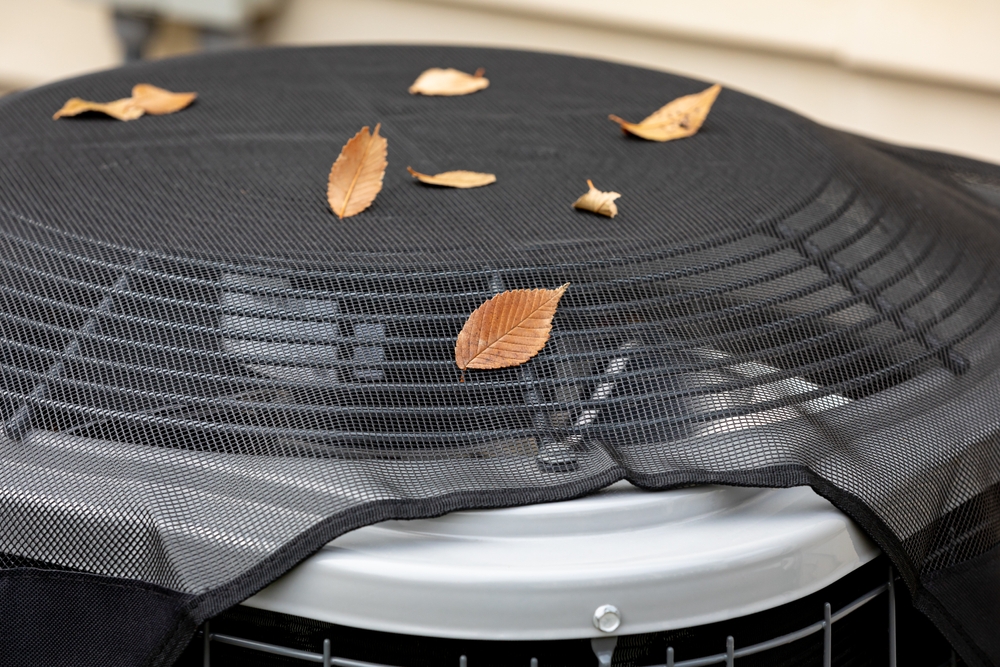
A hurricane cover should only be used if it is designed for the specific equipment and installed according to manufacturer guidance. Wrapping a condenser tightly in plastic can trap moisture, restrict ventilation, or create problems if the system is accidentally operated while covered.
A rigid, professionally evaluated protective solution may help reduce debris exposure in some situations. A loose tarp, sheet of plywood, or improvised enclosure can become a hazard in strong winds.
Any temporary cover should be removed before the air conditioner is restarted. Homeowners should also check that no fasteners, straps, or covering materials have damaged the fan guard, coil, cabinet, wiring, or refrigerant lines.
When Should You Turn Off Your HVAC System?
You should turn off the HVAC system when local officials recommend shutting down power, when flooding threatens the equipment, or when electrical conditions become unsafe. The exact timing depends on storm conditions, evacuation instructions, and the location of the home.
Before changing electrical settings, cool the home to a reasonable temperature while utility power remains stable. Close blinds and curtains, limit unnecessary door openings, and avoid setting the thermostat excessively low.
When shutdown becomes necessary, turn the system off at the thermostat. If it is safe and you know which breakers serve the HVAC equipment, switch off the appropriate indoor and outdoor breakers. Do not approach an electrical panel when standing water, sparks, burning odors, or visible damage are present.
Tampa Electric encourages customers to prepare for outages, enroll in notifications, and use its outage resources to follow restoration activity.
What Are the Most Common Local Storm Risks?
The most common local HVAC storm risks are debris impact, flooding, electrical damage, clogged drainage, wind displacement, and prolonged moisture exposure. Each can affect the system differently, and some problems remain hidden until cooling is restored.
1. Wind-driven debris
Branches, roofing materials, fencing, and outdoor furniture can bend condenser fins, damage fan blades, or puncture refrigerant components.
2. Floodwater and storm surge
Floodwater can damage motors, control boards, wiring, compressors, insulation, and other parts. FEMA identifies inundation, moving water, and debris impact as major threats to outdoor HVAC equipment.
3. Power surges and interrupted voltage
Lightning, damaged utility equipment, and repeated power cycling may affect capacitors, contactors, circuit boards, motors, and compressors.
4. Clogged condensate drainage
Wind and rain can introduce dirt and organic material into drainage areas. A blocked drain may lead to water around the air handler, ceiling damage, or system shutdown.
5. Salt and moisture exposure
Homes closer to Tampa Bay may experience corrosive coastal air. Storm-driven moisture and salt residue can accelerate deterioration on coils, cabinets, fasteners, and electrical connections.
6. Extended loss of air conditioning
Even an undamaged system cannot run without safe electrical service. During a prolonged outage, indoor humidity can rise and create musty conditions, particularly in tightly closed homes.
What Warning Signs Should You Check After the Storm?
After the storm, check for visible damage, flooding, unusual sounds, electrical odors, weak airflow, drainage problems, and poor cooling before returning the system to normal use. Do not perform an inspection until local conditions are safe.
Watch for these warning signs:
The outdoor unit has shifted, tilted, or separated from its base.
Water reached the condenser, air handler, ductwork, electrical disconnect, or nearby wiring.
Refrigerant lines appear bent, crushed, loose, or punctured.
The fan blade is obstructed or the cabinet is visibly damaged.
The system makes grinding, buzzing, clicking, or rattling sounds.
Airflow is weaker than it was before the storm.
The thermostat is blank, resets repeatedly, or displays an error.
Water is collecting near the indoor unit or drain line.
A burning smell or electrical odor appears when power is restored.
The system runs but does not cool the home normally.
Document visible damage with photographs before moving debris or arranging repairs, provided it is safe to do so.
When Is It Safe to Restart the Air Conditioner?
It is safe to restart the air conditioner only after utility power is stable and the equipment shows no signs of flooding, electrical damage, displacement, or debris obstruction. A system that has been submerged should not be energized.
First, confirm that local authorities and Tampa Electric have indicated that power restoration is underway safely in your area. Then remove any approved temporary condenser covering and visually inspect the equipment from a safe distance.
Do not touch damaged wires, open electrical cabinets, spin fan blades by hand, or attempt to straighten refrigerant lines. If the unit looks intact, restore power according to the system’s normal operating procedure and allow the thermostat to start cooling.
Turn the system back off if it trips a breaker, makes unusual noises, produces an odor, leaks water, or fails to cool.
When Should You Call an HVAC Professional?
Call an HVAC professional when the equipment has encountered floodwater, impact damage, electrical problems, refrigerant-line movement, repeated breaker trips, or abnormal operation. These conditions can involve hazards and internal damage that cannot be confirmed through a basic visual check.
Homeowners can safely clear loose debris from the surrounding yard, replace a filter, inspect visible drain areas, and look for obvious exterior damage. Professional service is appropriate when panels must be opened, electrical readings are needed, refrigerant components may be damaged, or the system must be tested under load.
In Tampa’s summer climate, post-storm service demand may rise quickly. Requesting an inspection early can help establish whether the system needs cleaning, repair, further electrical evaluation, or replacement planning.
How Can You Prevent Storm-Related HVAC Damage?
You can reduce storm-related HVAC damage through preseason maintenance, proper drainage, professional anchoring, surge protection, vegetation management, and an organized shutdown and recovery plan. Prevention cannot eliminate hurricane risk, but it can reduce common vulnerabilities.
Schedule HVAC maintenance before peak storm activity whenever possible. During service, the technician can check accessible electrical components, system operation, condensate drainage, refrigerant performance, and the condition of the indoor and outdoor equipment.
Keep shrubs trimmed without blocking condenser airflow. Clean leaves and yard debris from around the base, but do not use a pressure washer on the coil.
Ask whether whole-home or HVAC-specific surge protection is appropriate for your electrical system. Surge protection does not prevent every type of storm damage, but it may add protection against certain voltage events.
Residents should also know their flood and evacuation risks. FEMA maintains official flood hazard information, while Hillsborough County provides local preparedness and evacuation resources.
What Mistakes Should Homeowners Avoid?
Homeowners should avoid improvised covers, unsafe electrical work, premature restarts, and assumptions that an undamaged exterior means the system is safe. These mistakes can turn manageable storm exposure into a larger repair or safety problem.
Mistake: Wrapping the condenser tightly in plastic.
Consequence: Moisture may become trapped, and the unit could be damaged if operated while covered.
Better approach: Use only an appropriate protective method and remove it before startup.
Mistake: Restarting equipment immediately after flood exposure.
Consequence: Energizing wet components may create electrical hazards or worsen internal damage.
Better approach: Leave the equipment off and arrange a professional inspection.
Mistake: Repeatedly resetting a tripped breaker.
Consequence: The underlying electrical or mechanical problem may become worse.
Better approach: Stop after the first trip and request service.
Mistake: Placing heavy objects on top of the condenser.
Consequence: The fan guard, cabinet, and internal components may be damaged.
Better approach: Remove nearby debris and discuss approved protection options with a professional.
Mistake: Ignoring drainage after heavy rain.
Consequence: Condensate backup can damage ceilings, walls, flooring, or the air handler area.
Better approach: Check for water and respond quickly to drainage warning signs.
What Results Can You Expect From a Post-Storm Inspection?
A post-storm HVAC inspection can help determine whether the equipment is safe to operate, whether damage is limited to repairable components, and whether flooding or electrical exposure requires a broader evaluation. The outcome depends on the system’s condition and the severity of exposure.
An inspection may include visual examination, electrical testing, drainage checks, airflow review, thermostat operation, and an assessment of the outdoor unit, indoor equipment, and accessible ductwork.
Some systems need only debris removal or minor correction. Others may require electrical parts, fan components, drainage repairs, refrigerant-system work, or replacement. Equipment that has been submerged may have extensive damage even when the cabinet appears normal.
What Is a Common Tampa Storm Scenario?
A common Tampa storm scenario involves a home that retains power during part of the storm, loses it several times, and then regains service after heavy rain and wind. The outdoor unit looks normal, but leaves surround the base and the thermostat will not start cooling properly.
The homeowner clears the surrounding debris but does not open the unit or repeatedly reset the breaker. A professional inspection finds that the system needs electrical evaluation before normal operation can resume.
This is not a case study or a claim about a specific customer. It illustrates why a visual check alone may not reveal every storm-related problem.
Which HVAC Services Support Storm Preparation and Recovery?
The most relevant services include preseason maintenance, HVAC inspections, condensate drain service, electrical component evaluation, system repair, surge protection assessment, and replacement consultation. The appropriate service depends on whether the goal is preparation, damage diagnosis, or long-term risk reduction.
Our team can help homeowners review system condition before hurricane activity and evaluate performance after local storm impacts.
Should You Inspect the System Yourself or Call a Professional?
A homeowner inspection is appropriate for obvious exterior conditions, while professional service is appropriate for electrical, mechanical, refrigerant, flood, and internal equipment concerns. The safest choice depends on what happened during the storm.
| Option | Best For | Limitations |
|---|---|---|
| Visual homeowner check | Looking for debris, standing water, displacement, or exterior damage | Cannot confirm internal or electrical condition |
| Routine maintenance | Preparing before severe weather and correcting normal wear | Does not prevent every form of hurricane damage |
| Post-storm diagnostic service | Unusual noises, weak cooling, breaker trips, leaks, or suspected damage | Requires safe access and restored utility conditions |
| Replacement consultation | Severe flood damage, major structural damage, or an aging system with extensive repairs | Requires system-specific assessment |
Which Areas Do We Serve?
We serve homeowners in Tampa and surrounding communities across the local service area, including portions of Brandon, Carrollwood, Temple Terrace, New Tampa, and nearby Hillsborough County neighborhoods.
Service availability after a major storm may depend on road access, evacuation restrictions, electrical restoration, and safe working conditions.
What Can Happen If You Ignore Storm Damage?
Ignoring storm damage can lead to worsening electrical faults, refrigerant loss, drainage damage, reduced efficiency, compressor failure, or unsafe system operation. Delaying service may also make it harder to document whether a problem began after a specific storm.
A bent fan blade may damage other components when operated. A partially blocked drain may overflow later. A shifted condenser can place stress on refrigerant lines. Flood-exposed electrical parts may corrode even if the equipment initially starts.
Frequently Asked Questions
How early should I prepare my HVAC system for hurricane season in Tampa?
Prepare your system before June whenever possible, then repeat basic outdoor checks when a named storm may affect the Gulf Coast. Early preparation leaves time for maintenance, drainage correction, or professional anchoring work without competing with the surge in service requests that often occurs immediately before severe weather.
Should I turn off my AC before a hurricane reaches Tampa?
Turn off the system when flooding, unstable power, evacuation instructions, or unsafe conditions make continued operation risky. Some homeowners cool the house in advance and shut the HVAC system down before the strongest conditions arrive. Follow official emergency guidance and never approach electrical equipment in standing water.
Can I run my air conditioner during a tropical storm?
You may be able to operate it during mild conditions when power is stable and the equipment is not exposed to flooding or debris. Shut it down when power begins cycling, water threatens the unit, wind damage is visible, or local safety instructions indicate that electrical systems should be turned off.
What should I do if my outdoor unit floods in Hillsborough County?
Leave the system off and arrange a professional evaluation. Do not assume that the equipment is safe because the water has receded. Floodwater can affect motors, controls, wiring, insulation, and mechanical components. Photograph the water line and visible damage when it is safe to access the property.
Does homeowners insurance cover hurricane damage to an HVAC system?
Coverage depends on the policy, the cause of damage, applicable deductibles, exclusions, and whether flooding was involved. Wind damage and flood damage may be handled differently. Document the equipment promptly and contact the insurer for policy-specific instructions before discarding damaged components.
Can power surges damage my Tampa air conditioner?
Yes, voltage spikes, unstable restoration, and rapid outages can damage HVAC electrical components. Warning signs include breaker trips, buzzing, a blank thermostat, failed startup, or a system that runs without cooling. Turn the equipment off and request service rather than repeatedly resetting breakers.
Should I cover my condenser with a tarp?
A loose tarp is generally a poor hurricane-protection method because it can trap moisture, obstruct airflow, or become airborne. Use only a manufacturer-appropriate or professionally evaluated solution, secure it correctly, and remove all coverings before the air conditioner is turned back on.
How do I protect an AC unit in a Tampa flood zone?
Professional elevation and anchoring may reduce exposure where permitted and properly designed. FEMA guidance supports elevating vulnerable HVAC components and securing them against flood and wind forces in applicable coastal flood areas. A contractor should evaluate structural support, equipment clearances, code requirements, and refrigerant connections.
Why is my house humid after a hurricane?
High indoor humidity may result from an extended outage, open doors, roof or window leaks, wet building materials, blocked condensate drainage, or reduced HVAC performance. Once power is safely restored, monitor cooling and moisture levels. Persistent dampness, musty odors, or water near the air handler require attention.
How soon can an HVAC technician inspect storm damage?
Inspection can begin when roads are accessible, evacuation restrictions are lifted, utility conditions are safe, and the property can be entered without electrical or flood hazards. Following a widespread Tampa Bay storm, prioritize reporting submerged equipment, burning odors, damaged wiring, and complete cooling failure.
Protect Your Comfort Before the Next Tampa Storm
Hurricane preparation cannot remove every risk, but a maintained system, clear shutdown plan, careful post-storm inspection, and prompt response to warning signs can protect your home and reduce avoidable HVAC damage.
Prepare Your Tampa Home for Safer Storm Recovery
We provide practical HVAC evaluations based on your system’s actual condition, without assuming that every storm exposure requires the same solution.
Categorised in: HVAC